Tuesday, February 28, 2023

Gratitude Goes A Long Way

Photo by Nick Fewings on Unsplash

Dear Readers,

Thank you for coming here! 


In a world that often seems to focus on negativity and problems, it can be easy to forget about the positive things in our lives. However, cultivating a practice of gratitude can have a significant impact on our mental health and well-being.

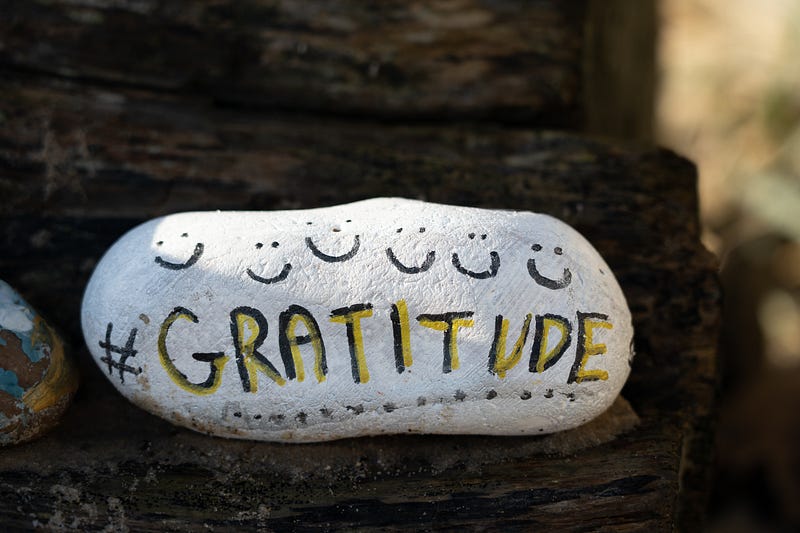
Gratitude is the practice of acknowledging and appreciating the good things in our lives. This can range from small everyday blessings, like a sunny day or a kind word from a friend, to major accomplishments or milestones. 

Photo by Pro Church Media on Unsplash

Research has shown that regularly practicing gratitude can have numerous benefits for our mental health, including:

  1. Reducing Symptoms of Depression: Studies have found that people who regularly practice gratitude are less likely to experience symptoms of depression and anxiety.
  2. Improving Sleep: A gratitude practice has been shown to improve sleep quality and reduce the time it takes to fall asleep.
  3. Increasing Resilience: When we focus on the good things in our lives, we become more resilient in the face of adversity. Gratitude can help us to maintain a positive outlook and cope more effectively with stress.
  4. Boosting Positive Emotions: Regularly practicing gratitude can increase feelings of happiness, contentment, and overall well-being.
  5. Strengthening Relationships: Expressing gratitude to others can strengthen our relationships and improve our social connections.

Photo by Priscilla Du Preez on Unsplash

There are many ways to cultivate a practice of gratitude. 

Some people keep a gratitude journal, writing down a few things they are grateful for each day. 

Others may express gratitude through prayer or meditation, or by simply taking a few moments each day to reflect on the good things in their lives. 

Whatever method you choose, incorporating gratitude into your daily routine can have a profound impact on your mental health and well-being.

Photo by Towfiqu barbhuiya on Unsplash

In conclusion, practicing gratitude is a simple but powerful tool for promoting mental health and well-being. 

By focusing on the positive things in our lives and expressing gratitude for them, we can reduce symptoms of depression and anxiety, improve our sleep, increase our resilience, boost positive emotions, and strengthen our relationships. 

So why not give it a try? Take a few moments each day to reflect on the good things in your life and express gratitude for them. You may be surprised at the positive impact it has on your mental health and overall well-being.


Till next time!

Sunday, February 26, 2023

Thursday, February 23, 2023

Meditate when you have time

Photo by JD Mason on Unsplash

Dear Readers,

Thank you for coming here! 


Stress and anxiety are all too common. With the pressures of work, family, and personal life, it’s easy to feel overwhelmed and burnt out. However, meditation has been shown to be an effective tool for reducing stress and improving mental health.

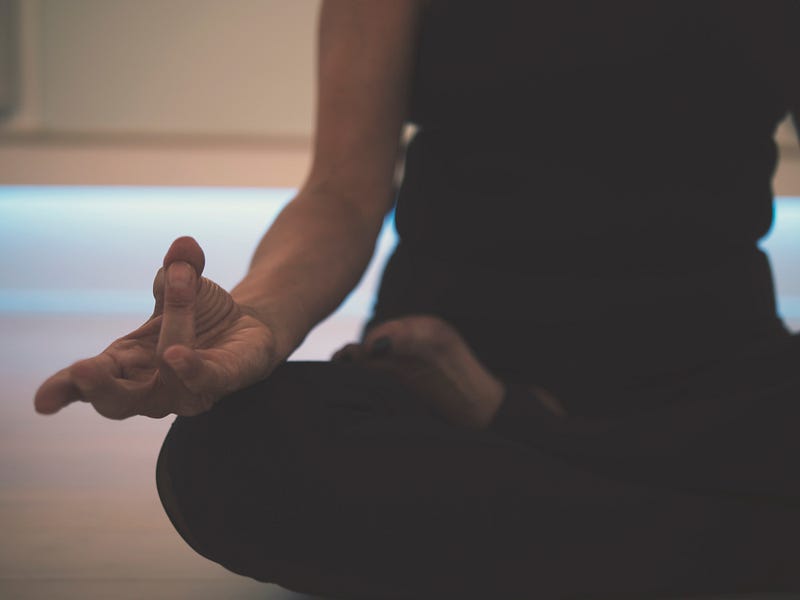
Meditation is an ancient practice that involves focusing your attention on the present moment, typically by focusing on your breath or a specific mantra. 

Photo by Marek Piwnicki on Unsplash

While it may seem simple, meditation can have a profound impact on your mental health. 

Here are just a few of the benefits:

  1. Reduces Stress and Anxiety: When you meditate, you activate the parasympathetic nervous system, which is responsible for the “rest and digest” response. This helps to reduce the stress response in the body and lower levels of cortisol, the stress hormone.
  2. Improves Mood: Regular meditation has been shown to increase the production of serotonin, the “feel-good” hormone in the brain. This can lead to improved mood and reduced symptoms of depression.
  3. Enhances Self-Awareness: Meditation helps you to become more self-aware and mindful of your thoughts and feelings. This can help you to identify negative thought patterns and replace them with more positive ones.
  4. Improves Sleep: Meditation can help to improve the quality of your sleep by promoting relaxation and reducing stress levels.
  5. Boosts Brain Function: Studies have shown that meditation can increase gray matter in areas of the brain associated with memory, learning, and emotional regulation.
Photo by David Brooke Martin on Unsplash

Overall, the benefits of meditation for mental health are numerous. Whether you’re looking to reduce stress, improve your mood, or enhance your cognitive function, incorporating meditation into your daily routine can be an effective way to support your mental well-being.


Till next time!

Tuesday, February 21, 2023

Monthly Net-Worth Update — Feb 2023

Photo by micheile dot com on Unsplash

Dear Readers,

Thank you for coming here! 


Here is the snapshot of our Total Net-Worth for Feb 2023.


Net-Worth increase from last month: 36K SGD, +1.06KG Gold

The increase was partly due to the inclusion of 2-month CPF contribution. So I did the update in Jan before the CPF contribution was credited and Feb after it was credited. So a bit cheating for this month, given year-end CPF was bigger.

Our stock portfolio incurred further losses in the past month.

In terms of Gold, the increase was also enlarged by the drop of gold prices.

Photo by 金 运 on Unsplash

Investment: -7.56% annualized return, incl. dividend

The rate continued to improve because we continued to put money into the T-bills.

Again, in plain and painful words, our portfolio performance did not improve. We are still in deep deep RED.


Till next time!

Sunday, February 19, 2023

My Market Transactions — Wk7 2023


Photo by Andre Taissin on Unsplash


Dear Readers,

Thank you for coming here!


Below are the transactions for last week.


Capital injection: 70KSGD

1.T-Bill - 70k SGD

The cut-off yield was 3.93% and I got allocated 70K. The bill is for 6 months. 1000+ gain for 6 months.

I guess we can say good bye to 4+% T-bills.

Photo by Micheile Henderson on Unsplash
Capital outflow: 0


Till next time!

Thursday, February 16, 2023

How to maintain important relationship?

Photo by Priscilla Du Preez on Unsplash

Dear Readers,

Thank you for coming here! 


Maintaining important relationships can be a challenging task, especially in today’s fast-paced and constantly changing world. Whether it’s a romantic relationship, a friendship, or a family bond, it takes effort and commitment to keep it strong and healthy. 

Photo by Kelly Sikkema on Unsplash

Here are some tips to help you maintain important relationships.

  1. Communicate Effectively: Effective communication is the foundation of any relationship. It is essential to keep the lines of communication open and clear, whether it’s a small talk, sharing daily updates, or resolving conflicts. Be honest and transparent with your feelings and opinions, and actively listen to the other person’s point of view.
  2. Respect Boundaries: Respect is another crucial element in any relationship. It is essential to recognize and respect each other’s boundaries, preferences, and opinions. Being mindful of your actions and words and respecting the other person’s decisions and choices can help maintain a healthy and harmonious relationship.
  3. Make Time for Each Other: In today’s busy world, time is a scarce resource, and it’s easy to get caught up in our daily routines and responsibilities. However, it’s essential to make time for your loved ones and prioritize your relationships. Schedule regular quality time with your loved ones, such as date nights, family dinners, or weekend getaways, to strengthen your bond.
  4. Show Appreciation: Showing appreciation and gratitude is an excellent way to express your love and care for the other person. Whether it’s a simple thank you note, a heartfelt compliment, or a thoughtful gesture, expressing appreciation can help reinforce the bond and create a positive atmosphere in the relationship.
  5. Resolve Conflicts: Conflicts and disagreements are inevitable in any relationship. However, it’s essential to address and resolve them in a healthy and constructive manner. Avoid blaming or attacking the other person and focus on finding a solution together. Use “I” statements to express your feelings and listen to the other person’s point of view. Consider seeking professional help if the conflict seems unresolvable.
  6. Stay Connected: Staying connected with your loved ones is essential, especially when distance or other circumstances may make it difficult to meet in person. Use technology to stay in touch, such as texting, video calls, or social media. Regularly checking in with your loved ones can help maintain a sense of closeness and emotional support.
Photo by Priscilla Du Preez on Unsplash

In conclusion, maintaining important relationships requires effort, commitment, and a willingness to communicate, respect, appreciate, and resolve conflicts. By following these tips, you can strengthen your relationships and create a positive and healthy bond that lasts a lifetime.


Till next time!

Tuesday, February 14, 2023

Never get attached to something to the extent that you would lose yourself

Photo by Tengyart on Unsplash

Dear Readers,

Thank you for coming here!


We need to maintain a healthy balance between our passions and our sense of self. 

In today’s fast-paced world, it’s easy to get caught up in the pursuit of success, happiness, and material possessions, but it’s important to remember that these things should never come at the cost of our own identity and well-being.

Attachment is a natural human emotion, and it’s completely normal to feel strongly about the things we care about. Whether it’s a job, a relationship, a hobby, or a material object, attachment can bring us happiness and fulfillment. However, when our attachment becomes too intense and all-consuming, it can also lead to negative consequences, including stress, anxiety, and a loss of self-awareness.

Photo by Sydney Sims on Unsplash

The problem with attachment is that it often clouds our judgment and causes us to prioritize the thing we’re attached to over everything else, including our own well-being. For example, if you’re attached to your job, you may find yourself working long hours, sacrificing your personal life, and neglecting your health in the pursuit of success. Similarly, if you’re attached to a relationship, you may compromise your own values and beliefs in order to keep the other person happy.

The key to avoiding the negative consequences of attachment is to maintain a healthy balance between our passions and our sense of self. This means setting boundaries, taking time for self-care, and being honest with ourselves about what we truly want and need. It also means being aware of the things we’re attached to and the impact they have on our lives, and making adjustments as necessary.

In order to cultivate a healthy sense of self, it’s important to engage in activities and hobbies that bring us joy and fulfillment, and to spend time with the people who support and uplift us. By prioritizing our own well-being and maintaining a strong sense of self, we can avoid getting lost in our attachments and stay true to who we are.

Photo by Nik on Unsplash

In conclusion, attachment to things, people, or goals can be a double-edged sword. On one hand, it can bring us happiness and fulfillment. On the other hand, it can also cause us to lose ourselves and neglect our own well-being. By maintaining a healthy balance between our passions and our sense of self, and by being mindful of the things we’re attached to, we can avoid the negative consequences of attachment and live a life that is true to who we are.


Till next time!