Showing posts with label change. Show all posts

Thursday, March 30, 2023

The Psychology of Money: How Your Mindset Affects Your Finances


Photo by Vitaly Taranov on Unsplash

Dear readers,

Thank you for coming here!


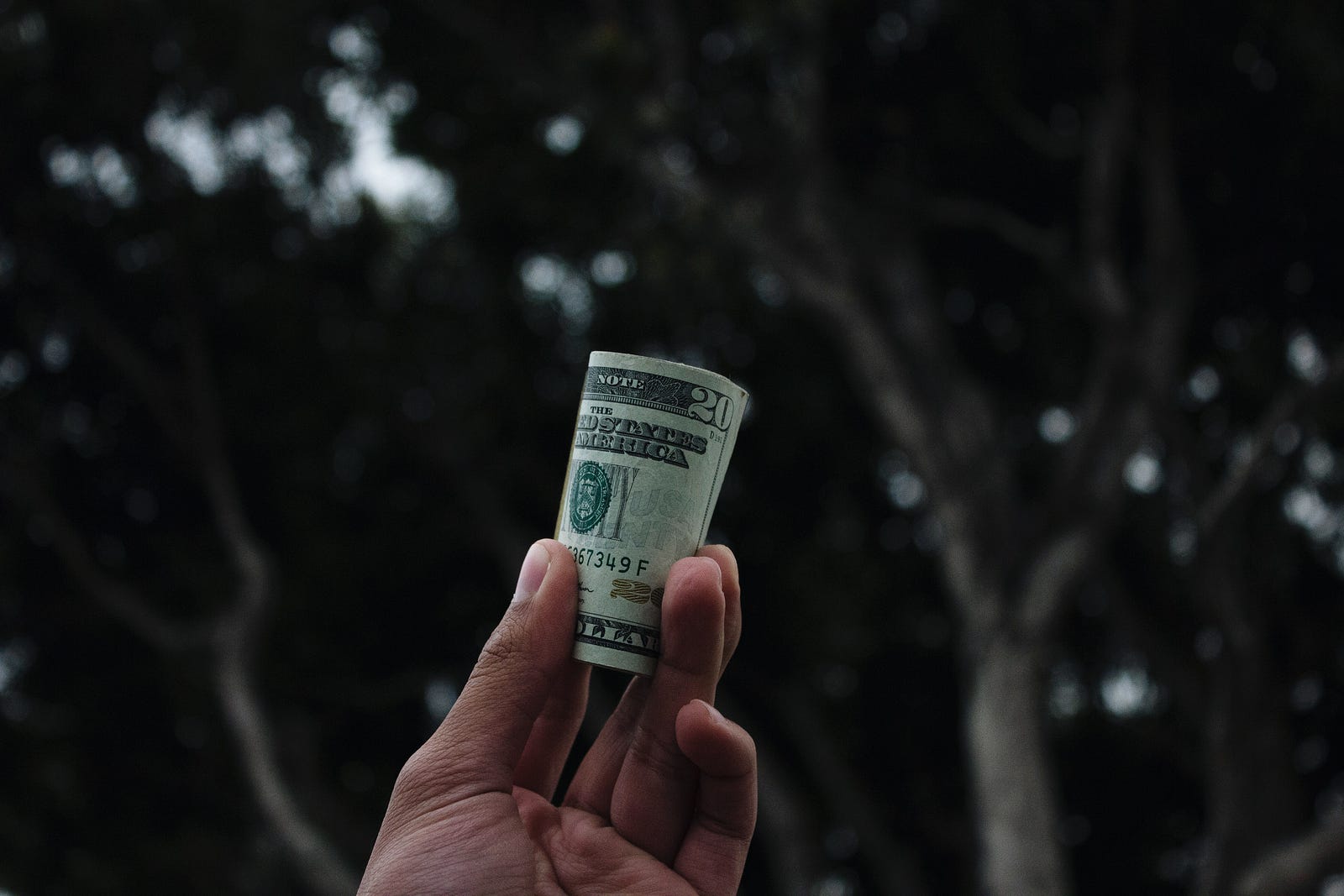
Money is a powerful tool that can provide security, freedom, and opportunities. 

However, our relationship with money is often complicated and influenced by our mindset and beliefs. 

Let’s explore the psychology of money and how our mindset can affect our finances.

1 — Money mindset

Money mindset refers to the beliefs, attitudes, and behaviors we have about money. It is shaped by our upbringing, experiences, and culture. 

For example, some people may believe that money is evil or that it is only for the rich. Others may see money as a means of achieving their goals and providing for their families. Our money mindset can influence how we spend, save, invest, and give money.

2 — Money scripts

Money scripts are unconscious beliefs and assumptions about money that guide our behavior. They are often formed in childhood and can have a powerful impact on our financial decisions as adults. 

For example, someone who grew up in a household where money was scarce may have a scarcity mindset and be more prone to hoarding money or avoiding spending on non-essentials. Alternatively, someone who grew up in a household where money was abundant may have a mindset of abundance and be more comfortable with taking financial risks.

3 — Money personality

Money personality refers to the unique way we approach money management. Some people may be savers, while others are spenders. Some may be risk-takers, while others are risk-averse. 

Understanding your money personality can help you identify your strengths and weaknesses and develop a financial plan that works for you.

4 — Behavioral finance

Behavioral finance is a field of study that examines how psychological biases affect financial decision-making. It recognizes that humans are not always rational or logical when it comes to money and that emotions and cognitive biases can influence our financial choices. 

For example, the fear of missing out (FOMO) can lead us to make impulsive investment decisions, while the sunk cost fallacy can cause us to hold onto losing investments.
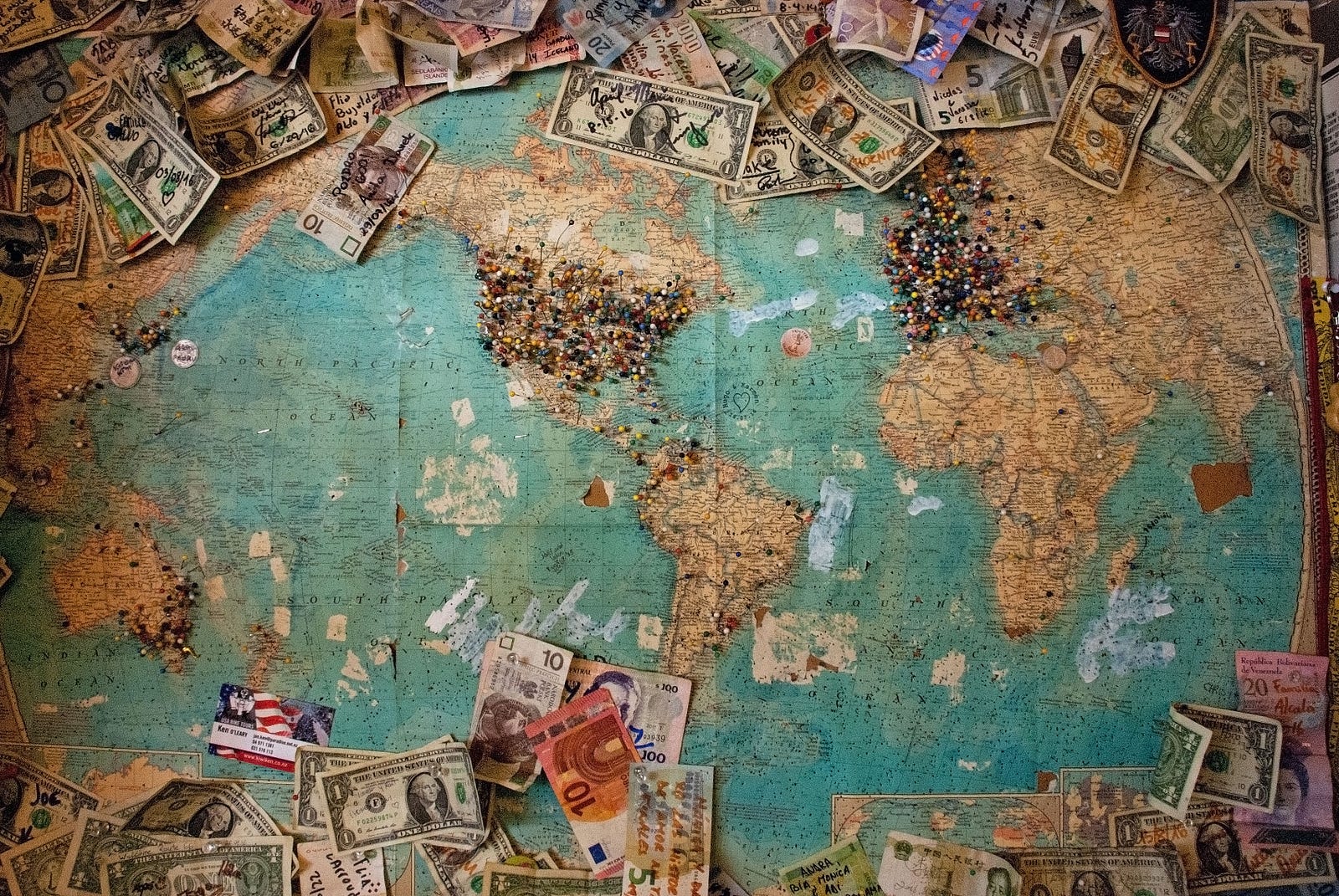
Photo by Christine Roy on Unsplash

So how do we change our money mindset for the better?

Changing your money mindset is possible, but it requires self-awareness, patience, and a willingness to challenge your beliefs. 

Here are some tips for changing your money mindset:

  • Identify your money scripts and challenge them. Ask yourself if they are serving you or holding you back.
  • Develop a growth mindset. Believe that you can learn and improve your financial skills and knowledge.
  • Practice gratitude. Focus on what you have rather than what you lack.
  • Seek support. Surround yourself with people who have a healthy money mindset and can provide guidance and encouragement.
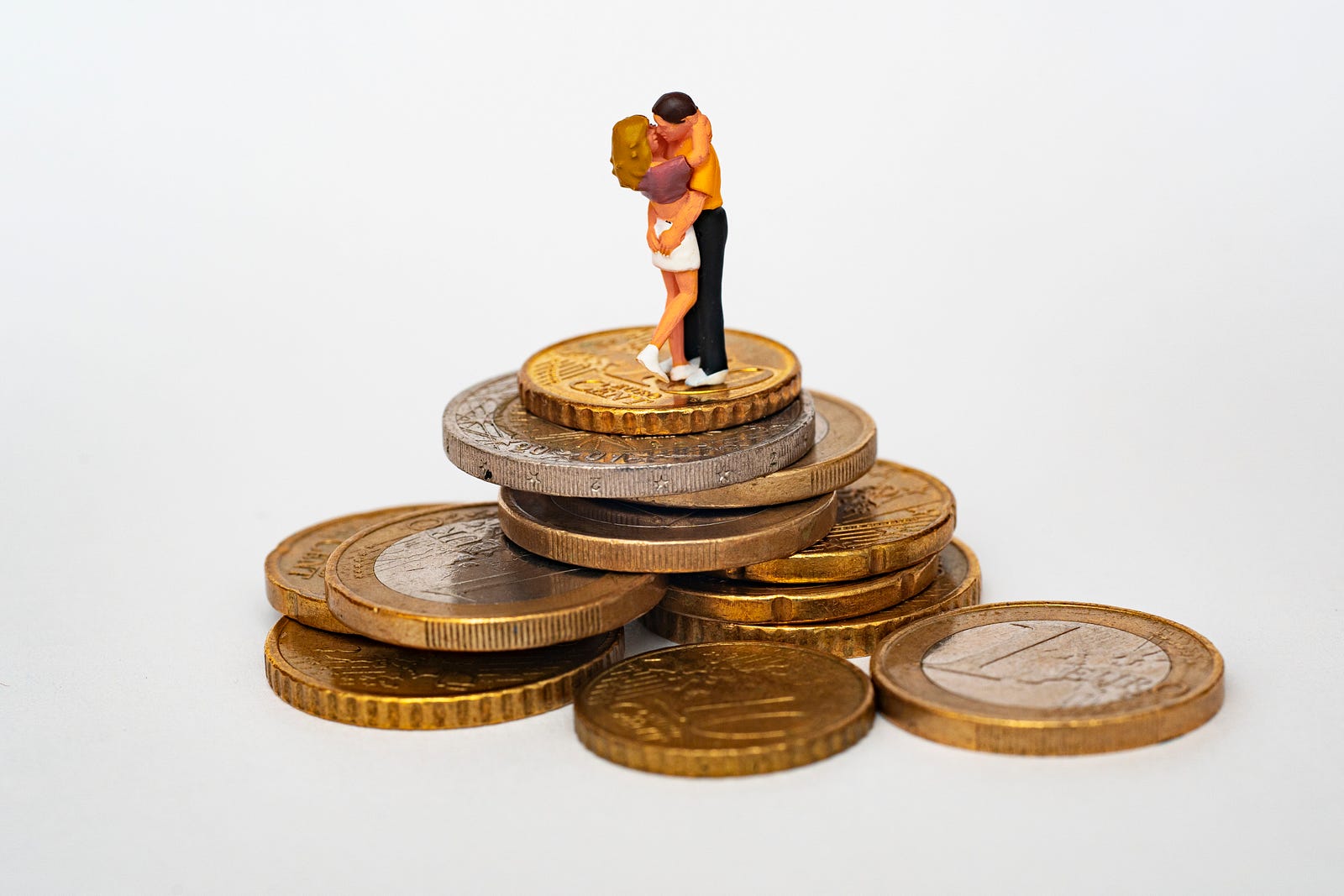
Photo by Mathieu Stern on Unsplash

In conclusion, the psychology of money is complex and multifaceted. Understanding your money mindset, money scripts, money personality, and behavioral biases can help you make better financial decisions and improve your relationship with money. 

By adopting a growth mindset, practicing gratitude, and seeking support, you can develop a healthy and positive money mindset that can lead to financial success and wellbeing.


Tuesday, February 7, 2023

“Not to trouble others” — Is it good quality?

Photo by Anubhav Saxena on Unsplash

Dear Readers,

Thank you for coming here! 


I once read an article from a successful and famous celebrity-type “Coach” that “Not to trouble others” was one of the best qualities a mature person could have.

It resonated immediately with me.

I have been following it since then and have always believed that this is my good quality.

So I did not ask my parents for money during my undergraduate study, even when I had to rely on instant noodles for three weeks straight when I was on exchange program in the US.

And I was proud of it, because I did not add trouble to my parents.

Photo by Aarón Blanco Tejedor on Unsplash

But another article I read recently changed my opinion.

It said that people who did not want to trouble others were afraid that others would come and trouble them.

It struck me like a thunder.

So I sat down and thought “Why did I not want to trouble others?”

And I came out with three reasons:

  1. I was afraid of appearing weak.
  2. I was afraid of rejection.
  3. I was afraid of others coming to trouble me.

Guess, which one played the most important part! 

The last one.

Photo by Kostiantyn Li on Unsplash

I always believe that one needs to rely on themselves for everything in life. External help might do more harm than good.

So I refuse to ask for help and refuse to help when asked (Or I help a little). I do this even with my immediate family.

So I appear somewhat an “outsider” to them.

I did not mind because I believed that was for the best for both of us.

But then what is the point of family if we do not help each other when in need?

Photo by Mahdi Bafande on Unsplash

Maybe it is time to trouble others, even when I do not really need help.

Maybe it is time to start helping others when asked.

The exchange of favors creates more intimate relationship and might be more productive and effective than I thought.

I look forward to seeing how this would change my life.


Till next time!

Thursday, September 8, 2022

Change also means losing something

Photo by Ross Findon on Unsplash

Dear Readers,

Thank you for coming here!


As a consultant, both external and internal, I have seen too much resistance to changes, even on a burning platform (company on the edge of going bankrupt and people on the edge of losing their jobs).

It confused me like hell why people just did not want to change even when the benefits were so obvious, both to the organization (efficiency and profit jump) and to themselves (job security, better bonus, more valuable stocks).

A recent chat with someone with 30-year experiences in this field solved my confusion.

He said “Change also means losing something and it is hidden”.

That is so true!

When we build business cases, we look at only the benefits and investment required. But there are so many other hidden factors we do not consider.

People may lose their power.

People may lose the value of their existing skills which they have lived on for so long.

Or most simply, people may lost their right to the current relaxing work pace.

…

When combined with these factors, the business case for each individual may not be positive at all.

Moreover, benefits are only estimated (people may or may not get it), but people need to make efforts/sacrifices now if they accept changes.

When thinking this way, many things are easily explainable. 

Photo by Saurav Mahto on Unsplash

It all comes down to people. 

It is easy to say we are people focused and we consider our people our most valuable asset. 

Maybe it is time to spend a little more time thinking about how to make the business case positive for your employees too. 

Of course, having the right people is also critical.


Till next time!

Sunday, October 3, 2021

My Market Transactions - Wk40 2021


Photo by Simon Infanger on Unsplash

Dear Readers,

Thank you for coming here!


Here is another update on the weekly transactions,


Still NIL.


Both my wife and I have our focus somewhere else.

I really cannot say that this is healthy. We are basically ignoring our portfolio.

This is "playing" irresponsibly with our own hard-earned money.

But as of now, we do not see other options or refuse to see other options.

Let's see how it goes.


It is a wonder how I used to care so much about every cent and now I just do not care any more, looking at the huge paper loss.

I guess experiences do change us, especially those of failure we have not experienced before.


Till next time!